
Ofgem’s Heat Network Regulations: what they mean for heat suppliers
The UK heat network sector is about to undergo a significant regulatory transformation. From April 2025, Ofgem has begun overseeing heat networks, with full regulatory powers coming into force by January 2026.

This new framework aims to bring the sector in line with standards seen in gas and electricity markets, focusing on consumer protection, technical performance, and fair pricing. Housing associations and managing agents, many of whom are responsible for communal heating systems, must act now to prepare for these sweeping reforms.
Why regulation? Background & timeline
- April 2025: Deemed authorisation of existing networks.
- January 2026: Ofgem begins enforcing standards and powers.
- January 2027: All networks must be fully registered with Ofgem to remain authorised.
Mandatory authorisation & licensing
New Consumer Protection Standards
- Heat suppliers must be registered with the Energy Ombudsman from April 2025. All unresolved complaints older than eight weeks can be escalated by customers, making strong internal dispute resolution essential.
- Suppliers must support vulnerable residents through priority services such as alternative contacts, accessible communication formats, and no disconnections during winter.
- Heat bills must be transparent, based on actual usage where metered, and include easy-to-read information such as tariff breakdowns and efficiency tips.
- Suppliers should prepare for minimum service standards (GSOPs) coming in 2026–27, covering outage response times and complaint handling – with mandatory compensation for non-compliance.
Fair pricing & billing obligations
- Prices must be demonstrably fair, comparable to alternatives like gas boilers or heat pumps. Ofgem may publish benchmarks, and suppliers could face scrutiny if tariffs appear excessive.
- Suppliers are restricted from billing customers for usage more than twelve months old, unless the customer has obstructed meter readings.
- At least 30 days’ notice must be given before raising heat tariffs. This allows residents time to plan and ensures transparency.
- All consumers should be metered and billed based on actual usage. Unmetered networks must prepare for retrofit installations, removing reliance on estimated billing.
- Bills must be clear, itemised, and offer multiple payment options, with fair treatment for those in arrears, especially vulnerable customers.

Technical standards, efficiency & decarbonisation
- All networks must meet a new national technical standard under the Heat Network Technical Assurance Scheme (HNTAS), covering design, operation, and performance.
- Existing networks must assess and improve to comply during the transition period; new builds must comply immediately once the code is launched.
- Certification may be required, with third-party audits to verify compliance with standards for efficiency, reliability, and safety.
- Carbon intensity reporting will become mandatory, and networks may face emissions caps in the future. Operators relying on fossil fuels must plan decarbonisation.
- Where suppliers fail to maintain service quality, Ofgem can step in and appoint a new operator to protect residents.
Heat Network Zoning: expansion on the horizon
- Zoning will designate areas where heat networks are the most suitable low-carbon solution. Within these zones, new buildings may be legally required to connect.
- Zone operators may be granted exclusive rights to develop and operate heat networks, creating a managed, scalable delivery model.
- Licensed operators in these zones may also receive utility-style rights – such as street works permissions or compulsory purchase powers – to support infrastructure rollout.
- Suppliers should monitor zoning developments and engage with local authorities to understand their roles, responsibilities, or opportunities within designated zones.
Compliance & enforcement: high stakes for non-compliance
- Non-compliance can attract fines of up to £1 million or 10% of turnover. These penalties are on par with energy markets and apply to serious or repeated breaches.
- Heat suppliers will need to submit regular data returns to Ofgem, including service reliability, billing accuracy, and performance metrics.
- Enforcement will be visible and targeted to establish clear precedents. Poor service or pricing could prompt investigations and reputational risk.
- If a supplier fails or consistently underperforms, Ofgem can exercise step-in rights to appoint an alternative operator, safeguarding continuity for consumers.
Preparing now: actions for heat suppliers
- Audit each heat network to understand current performance, customer service levels, billing accuracy, and technical standards compliance.
- Prioritise improvements that deliver quick benefits – such as pipe insulation, system balancing, meter installations, and customer communication upgrades.
- Leverage funding opportunities such as the Heat Network Efficiency Scheme (HNES) to finance assessments and upgrades ahead of regulation.
- Register with the Energy Ombudsman and consider joining the voluntary Heat Trust scheme to align with many expected regulatory standards early.
- Develop a roadmap for long-term investment in low-carbon heating sources and prepare for mandatory registration and certification deadlines by 2026–27.
Conclusion
Ofgem’s regulation of the heat network market marks a pivotal shift for the industry. Housing associations and managing agents must ensure they understand and act on their obligations well in advance of enforcement. By preparing now – reviewing systems, upgrading networks, and engaging with new standards – suppliers can avoid costly penalties and deliver improved service to residents. This transformation offers not just compliance, but an opportunity to professionalise operations and support the UK’s wider decarbonisation goals.
Contact us today to find out how Tabas can help.
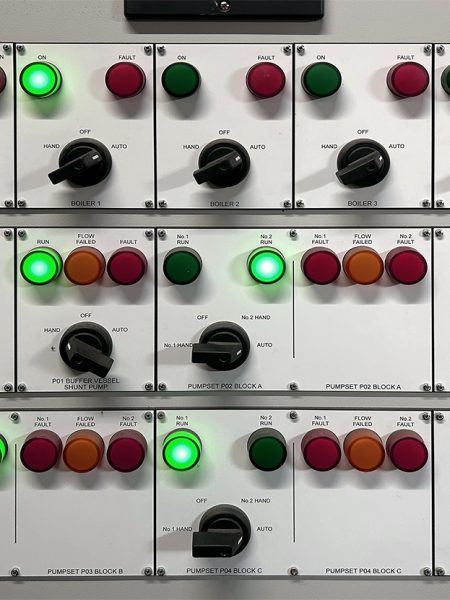
Building Management Systems (BMS) are often installed with the promise of improving energy efficiency and comfort. But once the system is up and running, how often do you tune or review those initial settings?
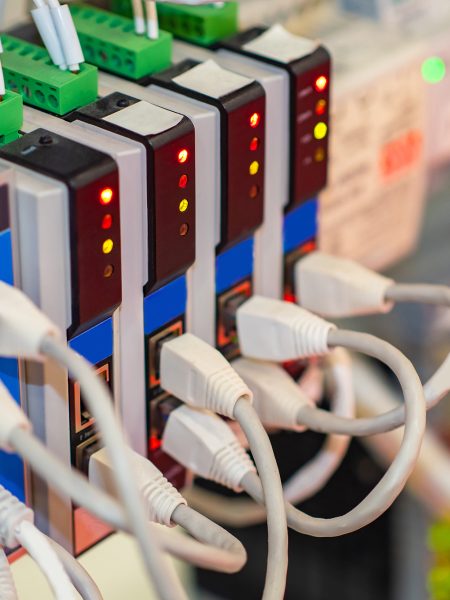
When managing HVAC building services, choosing the right communication protocol for your Building Management System (BMS) isn’t just a technical detail – it’s a strategic decision. And if you’re a building manager, facilities professional, asset manager, or sustainability lead, there’s one protocol that stands out from the rest: BACnet/IP.
Book an introductory call
Want to understand in more detail how we can help you to save money on heating then please book an introductory call with us.